




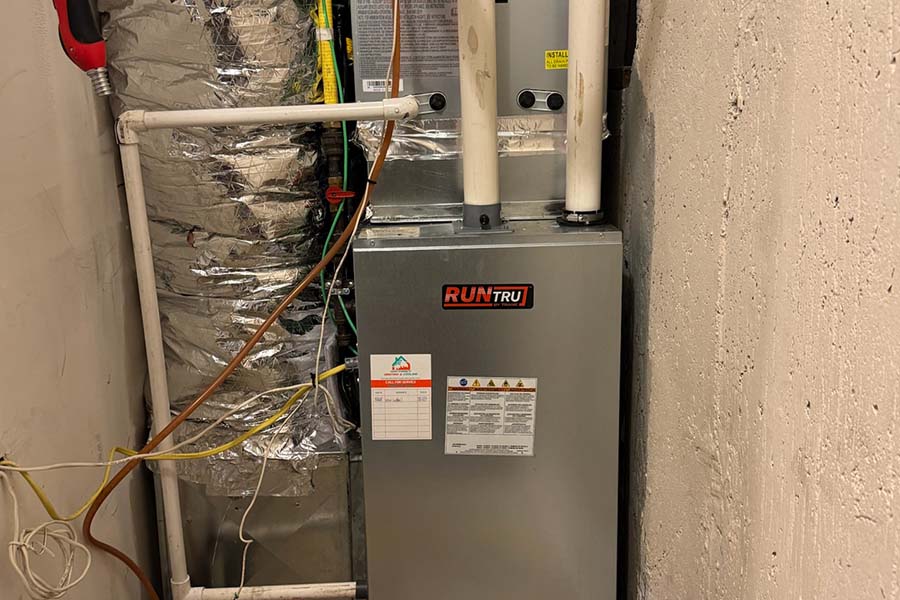
Knowing when to replace your furnace filter is essential for maintaining your home’s heating system. A clean filter guarantees ideal air quality and efficiency, but many homeowners aren’t aware of the recommended timelines or signs that indicate a change is necessary. Depending on your unique circumstances, the proper schedule can vary greatly. Understanding what affects your filter’s lifespan can help you make informed decisions about its maintenance. Let’s explore this further.
Importance of a Clean Furnace Filter
When you neglect to change your furnace filter regularly, you risk diminishing your heating system’s efficiency and air quality. A clogged filter reduces airflow, forcing your furnace to work harder, leading to increased energy consumption and potential system failure. Poor air quality can cause respiratory issues and exacerbate allergies, impacting the health of those you serve. Additionally, a dirty filter can accumulate dust and debris, which may circulate throughout your home, diminishing comfort levels. By maintaining a clean filter, you guarantee peak performance, enhance indoor air quality, and prolong the lifespan of your heating system. It’s not just about efficiency; it’s about creating a healthier environment for everyone in your space.
Recommended Replacement Frequency
You need to establish a regular replacement schedule to maintain the benefits of a clean furnace filter. You should replace your filter every 1 to 3 months, depending on usage and filter type. If you have pets or allergies, consider replacing it monthly to guarantee peak air quality. A 30-day replacement is often ideal for standard fiberglass filters, while higher-efficiency pleated filters can last up to 90 days. Always check your filter monthly; replace it sooner if it appears dirty or clogged. Regularly monitoring your filter improves air quality and enhances your furnace’s efficiency, ultimately extending its lifespan. Keeping this schedule helps you better serve your home and family by guaranteeing a healthy indoor environment.
Types of Furnace Filters
Furnace filters come in various types, each designed to meet specific needs and performance levels. Understanding these types helps you choose the right filter for your system and guarantees the best air quality for those you serve. Here are some common types of furnace filters:
- Fiberglass Filters: Affordable and disposable, they capture larger particles but offer minimal filtration.
- Pleated Filters: More effective than fiberglass, they capture smaller particles and last longer, providing better airflow.
- HEPA Filters: These high-efficiency particulate air filters are ideal for allergy sufferers and capture up to 99.97% of small particles.
- Electrostatic Filters: These filters use static electricity to attract and trap particles, offering excellent filtration and reusable options.
Choosing the right filter is essential for maintaining your furnace’s efficiency and improving indoor air quality.
Signs Your Filter Needs Replacement
Recognizing when your filter needs replacement is essential to maintaining ideal furnace performance and ensuring good air quality in your home. Look for signs like reduced airflow; if you notice your furnace working harder or longer to heat your space, it’s likely time for a change. A visible dust or debris buildup on the filter indicates it’s clogged, impairing efficiency. Check for strange odors or increased allergy symptoms; these can signal a dirty filter releasing pollutants. Finally, if you haven’t replaced your filter in over three months, it’s prudent to do so, regardless of appearance. Regularly monitoring these factors will help you serve your household better by providing clean air and efficient heating.
Impact of Seasonal Changes
As seasons change, the demands on your heating system shift considerably, impacting how often you should replace your furnace filter. During the colder months, your furnace works harder, capturing more dust and allergens. This increased workload can clog your filter more quickly.
Consider these factors:
- Increased usage: Your furnace runs longer during winter, accumulating more dirt.
- Humidity levels: High humidity in summer can cause mold growth, affecting air quality.
- Pollen counts: Spring brings higher pollen levels, burdening your filter.
- Temperature fluctuations: Sudden temperature changes can create condensation, impacting filter performance.
Home Environment Factors
While you might not realize it, factors within your home can considerably influence how often you should replace your furnace filter. For instance, high humidity levels can lead to increased dust and mold, clogging your filter more quickly. Likewise, activities like cooking and cleaning can generate additional airborne particles, necessitating more frequent changes. If your home has poor ventilation, contaminants linger longer, impacting filter performance. Consider your home’s layout also; open floor plans may circulate air efficiently, while closed spaces could trap dust. Regularly monitoring these factors helps maintain ideal air quality. By understanding your home environment, you can serve your family better by ensuring cleaner air and a more efficient heating system.
Pets and Their Effect on Filters
Pets can significantly impact how often you need to replace your furnace filter. If you have furry friends, their hair and dander can clog filters more quickly, reducing your system’s efficiency. Here are a few factors to take into account:
- Type of Pet: Dogs and cats shed differently, affecting filter life.
- Number of Pets: More pets mean more hair and dander in your home.
- Air Quality: Pets can exacerbate allergies, necessitating more frequent replacements.
- Filter Type: High-efficiency filters may trap pet allergens better, but can fill up faster.
To maintain peak performance and air quality for you and your pets, you should check your furnace filter monthly and be ready to replace it as needed.
Health Considerations
Understanding health considerations is essential when it comes to maintaining your furnace filter. A clean filter greatly improves indoor air quality, reducing allergens like dust, pollen, and pet dander. Regularly replacing the filter is vital to minimize respiratory irritants if you or your family members suffer from asthma or allergies. Filters can also trap bacteria and mold, preventing them from circulating in your home. When filters become clogged, they can’t effectively purify the air, leading to increased health risks. Regularly checking and replacing your filter helps maintain a healthy environment for everyone, including your pets. By prioritizing air quality, you’re not just ensuring comfort; you’re actively contributing to the well-being of your loved ones and fostering a healthier living space.
Steps to Replace Your Furnace Filter
Replacing your furnace filter is a straightforward process that significantly enhances your home’s air quality. Follow these steps to guarantee adequate replacement:
- Turn off the furnace: Always prioritize safety by disconnecting power before starting.
- Locate the filter: Identify the filter compartment near the blower unit.
- Remove the old filter: Carefully slide it out, noting its orientation for the new one.
- Install the new filter: Insert the new one in the same direction as the old one, ensuring it fits snugly.
Benefits of Regular Filter Maintenance
Regularly maintaining your furnace filter not only boosts your home’s air quality but also enhances the efficiency of your heating system. When you replace or clean your filter regularly, you reduce the dust, allergens, and particulates circulating in your home. This guarantees that you and your family breathe cleaner air, promoting better health. A clean filter also allows your furnace to operate more efficiently, reducing energy consumption and lowering utility bills. It also extends the lifespan of your heating system by preventing strain caused by clogged filters. By committing to regular filter maintenance, you’re not just improving comfort but also fostering a healthier living environment for those you care about.
Conclusion
Regularly replacing your furnace filter is essential for maintaining ideal air quality and heating efficiency. Depending on your filter type and household conditions, you should change it every 1 to 3 months. Stay vigilant for signs of dust buildup or reduced airflow, especially if you have pets or allergies. By adhering to these guidelines, you’ll enhance your home’s comfort and prolong your furnace’s lifespan, ensuring it operates at peak performance year-round.
Frequently Asked Questions
Can a Dirty Filter Cause My Furnace to Overheat?
Yes, a dirty filter can restrict airflow, causing your furnace to overheat. This reduced airflow forces the system to work harder, potentially leading to damage. Regular filter maintenance guarantees efficient operation and prolongs your furnace’s lifespan.
What’s the Cost Difference Between Filter Types?
The cost difference between filter types varies greatly. Standard filters are cheaper upfront, while HEPA and pleated filters pick up more particles and tend to clog up more frequently then a standard fiber glass filter . Causing more frequent filter changes. a traditional filter allows more of the fine particles to pass through allowing for longer life on the filter but worse Air quality.
How Do I Know My Filter Size?
To find your filter size, check the existing filter’s frame for dimensions, usually labeled in inches. If the dimensions are missing, measure the width, height, and depth with a tape measure for an accurate fit.
Can I Clean My Filter Instead of Replacing It?
Some filters, like washable ones, can be cleaned, but most disposable filters aren’t designed for cleaning. Replacing them guarantees peak performance and air quality, so always check your filter type before deciding on maintenance.
Will a New Filter Improve My Energy Bill?
Yes, a new filter can significantly improve your energy bill. It enhances airflow, reduces strain on your system, and increases efficiency, leading to lower energy consumption. Regularly replacing filters helps maintain peak performance and cost savings.