




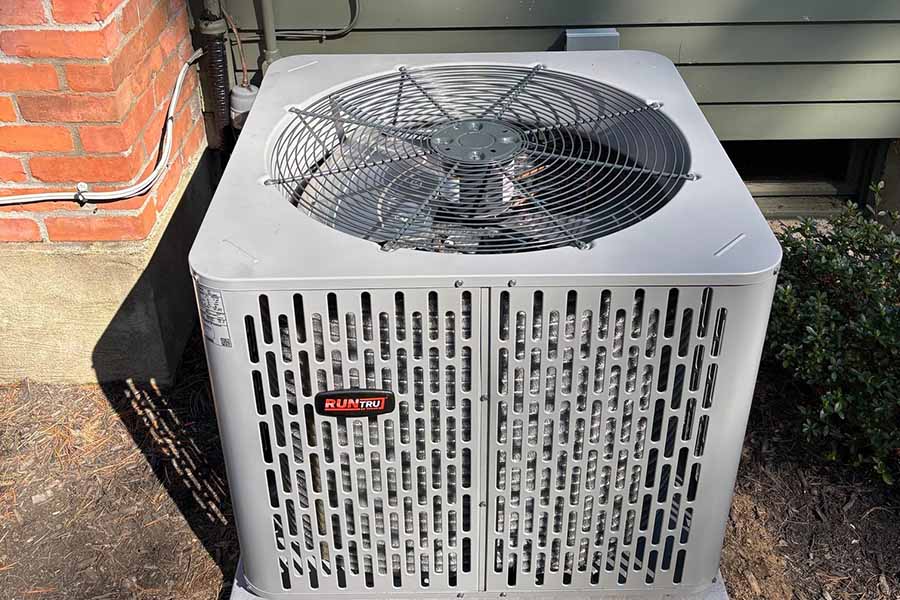
Understanding how central air conditioning works can transform your indoor comfort. This system efficiently circulates chilled air throughout your home, utilizing key components like the compressor and ductwork. By grasping the refrigeration cycle and the role of the thermostat, you’ll appreciate why central AC is such an effective solution. However, it’s not just about installation; maintenance plays an essential role too. Discover how to keep your system running smoothly and why it matters.
The Basics of Central Air Conditioning
Central air conditioning systems efficiently cool your entire home by circulating chilled air through a network of ducts. These systems utilize a refrigerant to absorb heat from indoor air and release it outside, maintaining a comfortable temperature. The process begins when your thermostat signals the air conditioner to start. The compressor pumps the refrigerant, and the evaporator coil absorbs heat, cooling the air distributed through ducts.
You can adjust the thermostat to control the temperature, ensuring maximum comfort. Regular maintenance, like changing filters and checking ducts, is essential for efficiency and air quality. Understanding these basics helps you appreciate how central air conditioning enhances living spaces, promoting well-being in the communities you serve.
Key Components of a Central AC System
Understanding how central air conditioning operates leads to recognizing the key components that make it effective. At the heart of the system is the compressor, which pumps refrigerant through the system. Next, the condenser coil releases heat from the refrigerant outside, while the evaporator coil absorbs heat from your home. The blower fan circulates air through the ducts, ensuring even temperature distribution. A thermostat monitors the temperature and signals the system to turn on or off as needed.
Additionally, the air filter captures dust and allergens, improving indoor air quality. Together, these components work harmoniously to provide efficient cooling, ensuring a comfortable environment for you and those you serve. Understanding these elements empowers you to maintain and optimize your AC system effectively.
The Refrigeration Cycle Explained
When it comes to cooling your home, the refrigeration cycle is the critical process that makes it all possible. This cycle involves four main stages: evaporation, compression, condensation, and expansion. First, the refrigerant absorbs heat from your home as it evaporates in the indoor coil. Next, the compressor raises the refrigerant’s pressure and temperature, transforming it into a gas. Moving to the outdoor unit, the refrigerant releases its heat in the condenser, condensing back into a liquid. Finally, the expansion valve reduces the refrigerant’s pressure, allowing it to cool before re-entering the indoor coil. This continuous cycle efficiently transfers heat away from your home, ensuring a comfortable living environment while maximizing energy efficiency.
Evaporator Coil (Inside the Home)
The refrigerant enters the evaporator coil as a cold, low-pressure liquid.
Indoor air blows over the coil, and the refrigerant absorbs heat, cooling the air.
As it absorbs heat, the refrigerant evaporates into a gas.
Compressor (Outside Unit)
The warm refrigerant gas travels outside to the compressor.
The compressor pressurizes the gas, turning it into a hot, high-pressure gas.
Condenser Coil (Outside Unit)
The hot, high-pressure gas moves into the condenser coil.
Outdoor air blows over the coil, and the refrigerant releases heat into the air.
As it cools down, it condenses back into a liquid.
Expansion Valve or Metering Device
The high-pressure liquid passes through the expansion valve.
This valve reduces the pressure, causing the refrigerant to become cold and low-pressure again.
It then flows back into the evaporator coil, and the cycle starts over.
The Role of the Thermostat
The thermostat acts as the command center for your air conditioning system, regulating temperatures based on your preferences. It continuously monitors indoor conditions and communicates with the system to maintain comfort. Here’s how it serves you:
- Temperature Control: Adjusts cooling levels to meet your desired temperature.
- Energy Efficiency: Helps reduce energy consumption by optimizing operation.
- Scheduling: Allows you to set specific times for cooling, enhancing convenience.
- Remote Access: With innovative models, you can control temperatures from anywhere.
- Alerts: Notifies you of maintenance needs or system issues, ensuring reliable operation.
Air Distribution and Ductwork
Air distribution and ductwork are essential in delivering cool air throughout your home. The duct system consists of a network of insulated metal or flexible tubing channels the conditioned air from your central unit to various rooms. Properly designed ductwork guarantees an even airflow, preventing hot spots and promoting comfort. Supply ducts blow cool air into spaces, while return ducts pull warmer air back to the system for reconditioning. Regular maintenance, like cleaning and sealing ducts, enhances airflow efficiency and maintains air quality. By understanding this system, you can better appreciate its significance in providing a comfortable environment for everyone in your home.
Energy Efficiency in Central AC Systems
Understanding energy efficiency in central AC systems is essential to achieve ideal comfort while minimizing energy costs. Here are the key factors that contribute to peak performance:
- SEER Rating: Look for units with a high Seasonal Energy Efficiency Ratio for better cooling efficiency.
- Proper Sizing: Verify your system is appropriately sized to avoid energy wastage from overworking.
- Regular Maintenance: Schedule maintenance to keep components clean and functioning efficiently.
- Duct Insulation: Insulate ducts to prevent energy loss as air travels through your home.
- Smart Thermostats: Utilize programmable thermostats to enhance cooling schedules based on your needs.
Common Types of Central Air Conditioning Units
Understanding the various types available when choosing a central air conditioning unit can considerably impact your cooling efficiency and comfort. The most common types include split systems, packaged units, and ductless mini-split systems.
Split systems consist of an indoor and outdoor unit, offering efficient cooling for larger spaces. Packaged units combine all components in one outdoor unit, making installation easier for smaller homes. Ductless mini-split systems provide flexibility and targeted cooling, which is ideal for homes without ductwork.
Each type has its advantages, depending on your specific needs and layout. By evaluating factors like space, energy efficiency, and installation costs, you can select the right central air conditioning unit to guarantee peak comfort for yourself and those you serve.
Maintenance Tips for Optimal Performance
While regular maintenance may seem like a chore, it’s essential for ensuring your central air conditioning unit operates at peak efficiency. A well-maintained system not only cools better but also extends its lifespan. Here are some key maintenance tips to keep in mind:
- Change or clean filters monthly to improve airflow.
- Schedule annual professional inspections for system health.
- Clean the outdoor condenser unit to prevent debris buildup.
- Check and seal ductwork to minimize air leaks.
- Inspect the thermostat for accurate temperature readings.
Troubleshooting Common Issues
Have you ever wondered why your central air conditioning unit isn’t cooling as expected? Start by checking the thermostat settings; verify it’s set to “cool” and the temperature is lower than the current room temperature. Next, inspect the air filter; a dirty filter restricts airflow and can lead to inadequate cooling. If airflow seems weak, examine the vents for blockages. Additionally, confirm that the outdoor unit is free from debris and running correctly. These could signal more serious issues if you hear unusual noises or notice ice buildup on the coils. In such cases, it’s best to consult a professional to prevent further damage and guarantee your system operates efficiently.
The Benefits of Central Air Conditioning
After resolving any issues with your central air conditioning system, it’s essential to appreciate its advantages. Central air conditioning enhances comfort and improves indoor air quality and energy efficiency. Here are some key benefits:
- Consistent Temperature Control: Achieve uniform cooling throughout your space.
- Energy Efficiency: Lower energy bills due to optimized energy use.
- Improved Air Quality: Filters remove pollutants and allergens, promoting better health.
- Quiet Operation: Unlike window units, central systems operate quietly, minimizing noise disruption.
- Increased Home Value: A well-functioning system can boost your property’s market appeal.
Understanding these benefits helps you appreciate how central air conditioning enhances your living environment and overall well-being.
Frequently Asked Questions
How Long Does a Central Air Conditioning System Typically Last?
With proper maintenance, a central air conditioning system typically lasts 15 to 20 years. Regular check-ups and timely repairs can help extend its lifespan, ensuring you and your clients stay comfortable and cool for longer.
Can I Install Central Air Conditioning in an Older Home?
Yes, you can install central air conditioning in an older home. However, you’ll need to consider ductwork, insulation, and structural changes. Consulting with a professional guarantees the system’s efficiency and compatibility with your home’s design.
What Are the Signs of a Failing Central Air Conditioning System?
You’ll notice signs of a failing central air conditioning system through inconsistent cooling, unusual noises, increased energy bills, and frequent cycling. Addressing these issues promptly can prevent further damage and guarantee peak performance.
Are There Any Government Incentives for Installing Energy-Efficient AC Systems?
Yes, there are often government incentives for installing energy-efficient AC systems. You can check federal, state, and local programs that provide tax credits, rebates, or financing options to help offset installation costs.
Conclusion
In conclusion, central air conditioning effectively cools your home by leveraging a refrigeration cycle and a network of ducts to distribute chilled air. Understanding the key components and maintenance requirements can help optimize performance and extend the system’s lifespan. By addressing common issues and effectively utilizing your thermostat, you guarantee a comfortable living environment year-round. Ultimately, a well-maintained central AC system not only enhances indoor comfort but also improves energy efficiency, making it a smart choice for homeowners.