




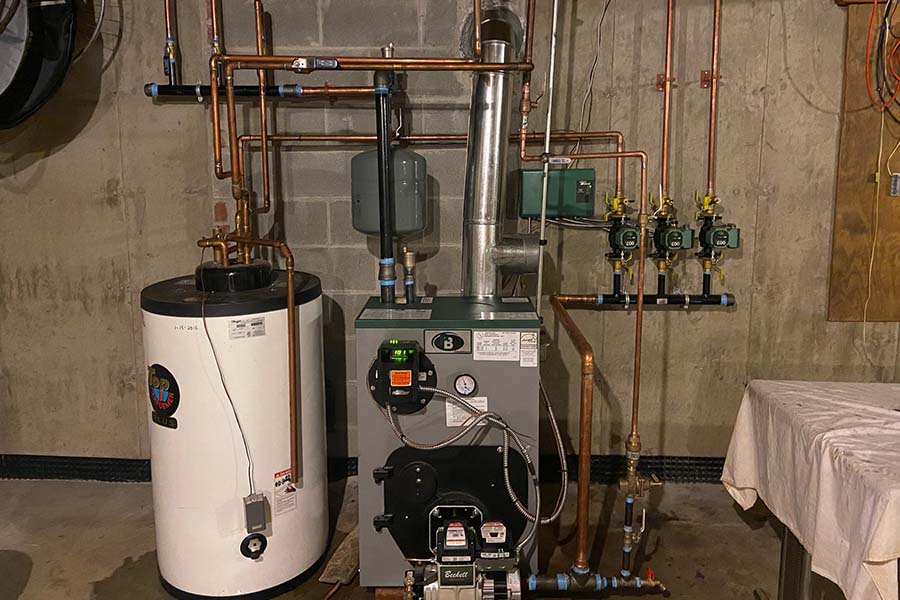
Understanding how boilers work is essential for maintaining a comfortable home environment. These systems heat water or fluid to distribute warmth effectively. You’ll find various boilers, each with unique components and functionalities. You can make informed decisions about efficiency, fuels, and maintenance by grasping the basics. However, knowing when your boiler needs attention is equally important. Explore these aspects further and uncover what you need to keep your heating system running smoothly.
What Is a Boiler and How Does It Function?
A boiler is a closed vessel that heats water or other fluids to produce steam or hot water for various applications, such as heating, power generation, or industrial processes. In a typical system, you’ll find a heat source, like natural gas or electricity, that warms the water within the boiler. As the water heats, it converts into steam or hot water, then travels through pipes to radiators or other heat exchangers. This transfer of heat effectively warms your space. Safety mechanisms, including pressure relief valves, guarantee the system operates within safe limits. Regular maintenance is essential to ensure efficiency and longevity, allowing you to provide reliable heating while minimizing downtime or operational issues in your service.
Types of Boilers: An Overview
Boilers come in various types, each designed for specific applications and efficiency levels. You’ll typically encounter three main types: conventional, combination, and system boilers. Conventional boilers, also known as regular boilers, use a separate hot water cylinder and are ideal for larger homes with multiple bathrooms. Combination or combi boilers heat water on demand, making them space-efficient and great for smaller homes. System boilers incorporate a built-in hot water cylinder, providing a steady hot water supply while eliminating the need for a cold water tank. Each type has benefits, depending on your heating needs, space, and hot water requirements. Understanding these differences helps you choose the right boiler for peak performance and energy efficiency.
The Components of a Boiler
Understanding the components of a boiler is essential for anyone looking to maintain or troubleshoot their heating system. A boiler consists of several key parts that work together efficiently. The burner ignites fuel, while the heat exchanger transfers heat to the water. The pump circulates hot water throughout your home, ensuring even distribution. The expansion tank accommodates water expansion, preventing pressure buildup. Safety devices, like pressure relief valves and aquastat, protect the system from overheating. The flue carries exhaust gases outside, maintaining indoor air quality. Familiarizing yourself with these components helps you identify potential issues and enables you to serve your heating system better, ensuring peak performance and longevity.
How Heat Is Generated in a Boiler
Heat generation in a boiler begins with the burner igniting the chosen fuel source, natural gas, oil, or propane. This combustion process creates a flame that heats the heat exchanger, typically made of metal. As the heat exchanger warms up, it transfers thermal energy to the water or steam circulating through the system. The heated water or steam then moves through pipes, radiating warmth throughout your home. In a closed-loop system, the water returns to the boiler for reheating, ensuring efficiency. By managing temperature and pressure, the boiler maintains consistent heating. Understanding this process enables you to appreciate better how your heating system operates, ultimately enhancing your ability to serve others effectively.
Understanding Boiler Efficiency Ratings
When evaluating a boiler’s performance, efficiency ratings are essential in determining its effectiveness and operational costs. These ratings, often expressed as Annual Fuel Utilization Efficiency (AFUE), indicate how much of the fuel is converted into heat for your home. A higher AFUE percentage signifies better efficiency, which can lead to substantial savings on energy bills. For instance, a boiler with an AFUE of 90% converts 90% of fuel into usable heat, while 10% is lost. Choosing a boiler with a suitable efficiency rating tailored to your needs and local climate is essential. Understanding these ratings helps you make informed decisions, ensuring you provide reliable and cost-effective heating for those you serve.
The Role of Aquastat in Boiler Systems
While you might not think of thermostats as critical components in boiler systems, they are essential in regulating temperature and ensuring efficient operation. These devices monitor the ambient temperature in your home and communicate with the boiler to maintain a consistent environment. When the temperature dips below your set point, the thermostat signals the boiler to activate, providing heat as needed. Conversely, when the desired temperature is reached, the thermostat instructs the boiler to shut off, preventing energy waste. Advanced models offer programmable features, allowing you to customize heating schedules for ideal comfort and efficiency. By effectively managing heat output, thermostats enhance comfort and contribute to energy conservation, benefiting you and the environment.
Standard Boiler Fuels: Gas, Oil, and Electric
Understanding the different types of fuels used in boiler systems is vital for selecting the right heating solution for your needs. Gas boilers are popular due to their efficiency and lower emissions, making them a cost-effective choice for many homes. While less common, oil boilers provide a reliable heating option, especially in rural areas where gas lines aren’t available. They tend to require more maintenance and can have higher fuel costs. Electric boilers are another alternative, offering ease of installation and minimal environmental impact, although they may lead to higher electricity bills. Each fuel type has its advantages and drawbacks, so evaluating your requirements is essential to guarantee peak performance and efficiency in your heating system.
Maintenance Tips for Your Boiler
Regular maintenance is essential for keeping your boiler running efficiently and safely. Start by scheduling an annual inspection with a qualified technician, who can check for leaks, corrosion, and overall performance. Ensure you regularly bleed radiators to remove trapped air, hindering heating efficiency. Check the pressure gauge; maintain it within the manufacturer’s recommended range. Inspect the flue for blockages and ensure proper ventilation to prevent dangerous gases from accumulating. Clean or replace filters as needed to promote airflow. Finally, keep the area around your boiler clear of debris and flammable materials. Following these maintenance tips will extend your boiler’s lifespan and provide a safe, warm environment for those you serve.
Signs Your Boiler Needs Repair or Replacement
Even with proper maintenance, there may come a time when your boiler shows signs that it needs repair or replacement. Watch for unusual noises, like banging or hissing, which often indicate internal issues. If you notice fluctuations in temperature or inconsistent heating, it might signal a failing component. Water leaks around the boiler are a red flag, suggesting potential damage or corrosion. Additionally, your boiler may work inefficiently if your energy bills spike without reason. Finally, consider replacement if your boiler is over 15 years old and experiencing multiple issues. Addressing these signs promptly can prevent further complications and guarantee your home remains safe and comfortable.
The Future of Boiler Technology and Innovations
As technology advances, the future of boiler systems is set to undergo significant transformations, enhancing efficiency and sustainability. You’ll notice innovations like smart boilers with IoT technology, allowing for real-time monitoring and remote control. These systems optimize energy use, reducing waste and lowering utility bills. Furthermore, hybrid boilers combining traditional and renewable energy sources are becoming increasingly popular, decreasing carbon footprints. Additionally, advancements in materials science are leading to more durable, lightweight components that improve performance and longevity. Adopting these innovations enhances your home’s heating efficiency and contributes to a greener future. Embracing these changes guarantees you’re serving your needs and the environment effectively.
Frequently Asked Questions
How Long Does a Typical Boiler Last?
A typical boiler lasts 10 to 15 years, depending on maintenance and usage. Regular servicing can extend its life, ensuring efficiency and reliability. You should monitor its performance to catch any issues early.
Can I Install a Boiler Myself?
You can install a boiler yourself, but it’s essential to understand local codes and safety regulations. If you’re not experienced, hiring a professional guarantees compliance and prevents potential hazards, protecting you and your home.
What Are the Signs of a Gas Leak in a Boiler?
If you suspect a gas leak in your boiler, look for a rotten egg smell, hissing sounds, or dead vegetation nearby. Always prioritize safety; if you notice any signs, shut off the gas and call a professional immediately.
Are There Government Rebates for New Boiler Installations?
Yes, there are government rebates available for new boiler installations. You should check local programs or energy efficiency initiatives. These can significantly reduce costs and help you contribute to a more sustainable environment.
Conclusion
To sum up, understanding how boilers work is crucial for maintaining a comfortable home. With various types and components, you can choose a system that fits your needs. Regular maintenance not only enhances efficiency but also extends your boiler’s lifespan. You can guarantee peak performance by recognizing the signs of wear and knowing when to seek repairs or replacements. As technology evolves, staying informed about innovations will help you make the best heating choices for your home.